26 November 2026
Are Flowers Appropriate for a Muslim Funeral?
Presented by @gardendiary17
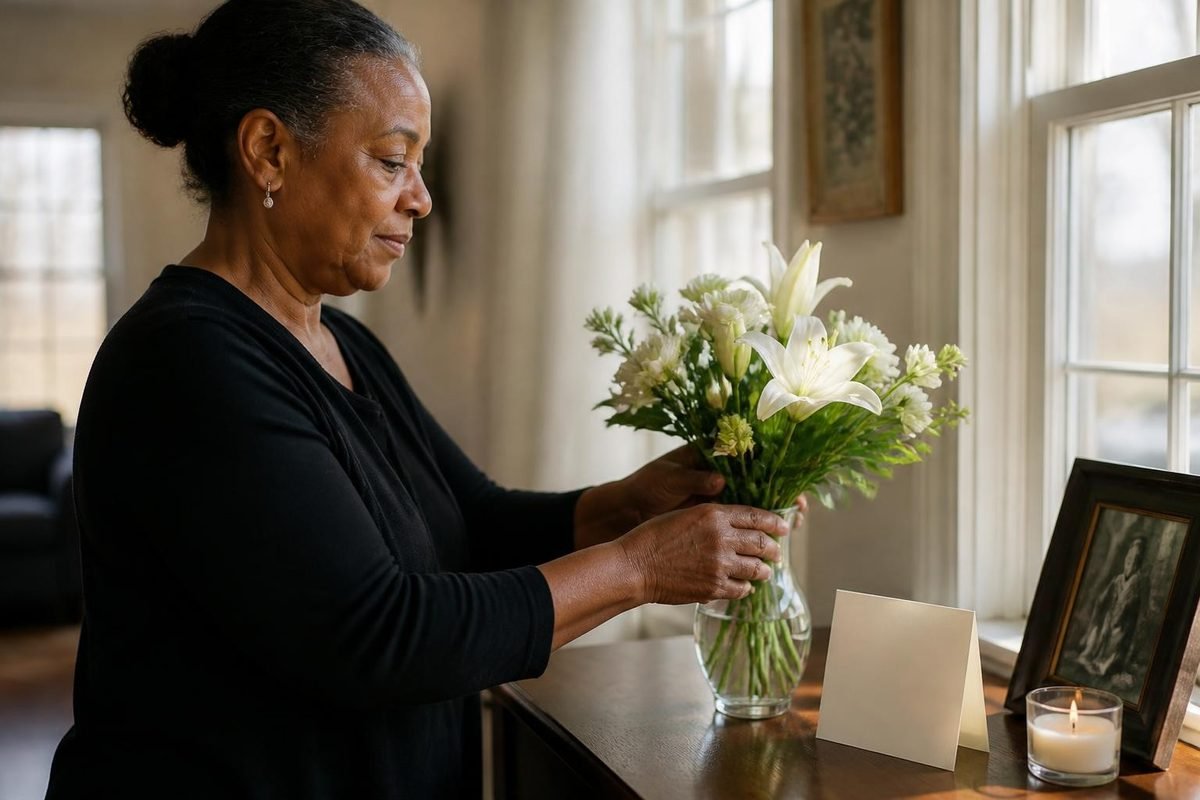
Flowers can be appropriate for a Muslim funeral, but they are not a universal custom, and some families prefer not to receive them. The most considerate choice is to ask the family or the person arranging the funeral before sending flowers.
Why customs differ
Muslim families come from many cultures and communities, so funeral practices do not look the same everywhere. Some may welcome a modest arrangement at home or accept flowers at the grave. Others may see flowers as unnecessary or prefer that attention remain on prayer and support for the family.
Islamic funeral rites generally emphasize simplicity, burial and care for the deceased. Flowers are not required as part of those rites. Their absence does not mean that a family is less grateful for kindness or less open to condolences.
Ask before sending flowers
If you know a relative or a close friend of the family, a quiet message is enough. You might say that you would like to express your sympathy and ask if flowers would be welcome. Give the person room to suggest another way to help, and do not expect an immediate reply.
A funeral notice may also include the family’s wishes. If it asks for donations or says not to send flowers, follow that request. When no guidance is available and you cannot comfortably ask, a short condolence message is a thoughtful choice.
Choosing a suitable arrangement
If the family welcomes flowers, choose a simple arrangement rather than assuming that a large display is expected. A small bouquet or a modest vase of flowers can be easy to receive at home. Consider where it will be placed and who will need to look after it.
A brief note can be more meaningful than an elaborate message. You can write that you are sorry for their loss and are thinking of the family. If you knew the person who died, a simple memory may offer comfort without asking anything of the recipient.
Other ways to show care
Flowers are only one way to acknowledge a death. Depending on your relationship with the family and their wishes, you could:
- Send a card or a short message of condolence.
- Offer a practical task, such as delivering a meal or helping with errands.
- Give to a charity the family has named.
- Visit if you are invited, and follow the family’s lead.
Be specific when offering help, but allow the family to decline. A clear offer to bring food on a particular day can be easier to answer than a broad request to let you know if anything is needed.
At the funeral and burial
Practices at the funeral and graveside may differ from what you have seen elsewhere. If you plan to attend, ask the organizer about any expectations for visitors, including where to stand and what clothing is appropriate. Do not place flowers at the grave unless you know the family welcomes them.
Respect for the family’s wishes matters more than the gesture itself. A quiet expression of sympathy, offered without pressure, can be enough.
For more detail, see gift delivery abroad guide